Aeksob: A Modern Serif Font for Creative Projects
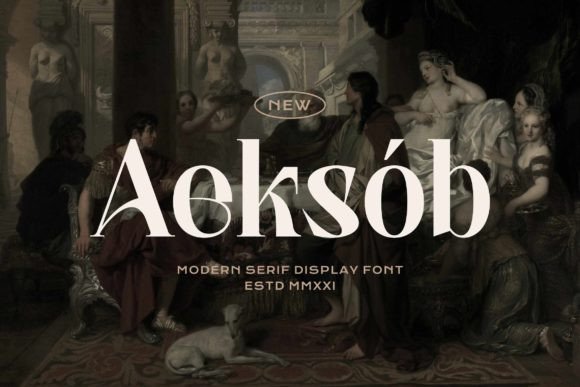
Aeksob is a modern-style serif font designed to offer versatility and elegance for a wide range of design applications. Its clean lines and sophisticated structure make it an attractive choice for designers looking to add a touch of refinement to their work. The font includes alternative characters and ligatures, which enhance its visual appeal and allow for more creative expression in typography.
One of the key features of Aeksob is its PUA (Private Use Area) encoding. This means that users can access all of the font's glyphs and ligatures without needing special software or additional tools. This feature makes it particularly useful for designers who want to experiment with different typographic styles and ensure consistency across their projects.
Why Someone Might Be Interested in Aeksob
Designers and creatives often seek fonts that offer both aesthetic value and practical functionality. Aeksob meets these needs by combining a modern serif style with a rich set of typographic options. Whether you're working on logos, branding materials, magazine layouts, or social media posts, Aeksob provides a professional and polished look that can elevate your design work.
The font's versatility allows it to be used in various contexts. For example, it works well for headlines and body text in print and digital media. Its legibility at different sizes ensures that it remains effective for both large-scale designs and smaller details. Additionally, the inclusion of ligatures and alternate characters gives designers more flexibility when creating unique typographic compositions.
Benefits and Considerations
One of the main benefits of Aeksob is its ability to add a refined and elegant feel to any project. Its modern serif design strikes a balance between traditional typography and contemporary aesthetics, making it suitable for a wide range of industries and audiences. The font's PUA encoding also simplifies access to its full range of glyphs, which can be especially beneficial for designers who want to explore more advanced typographic techniques.
However, there are some considerations to keep in mind when using Aeksob. While the font offers a high level of customization through its ligatures and alternates, this may require additional time and effort to implement effectively. Designers who are not familiar with advanced typography may need to invest some time in learning how to use these features to their fullest potential.
Another factor to consider is the font's suitability for specific design tasks. While Aeksob excels in many areas, it may not be the best choice for every project. For instance, if a design requires a highly distinctive or unconventional typeface, alternatives may offer more unique characteristics. It's important to evaluate the specific needs of a project before deciding on a font.
Situations Where Aeksob Is a Strong Fit
Aeksob is particularly well-suited for projects that require a professional and elegant appearance. It is ideal for branding initiatives, where consistency and visual appeal are essential. The font can help create a cohesive brand identity that resonates with target audiences and reflects the values of a business or organization.
It is also a strong choice for editorial and publishing projects, such as magazines, newspapers, and books. The font's readability and structured design make it easy to read over long periods, ensuring that the content remains accessible and engaging. In addition, Aeksob can be used in wedding invitations and other formal event materials, where a sense of sophistication and class is important.
For digital content, such as blog posts and social media graphics, Aeksob offers a stylish yet functional option that can enhance the overall visual appeal of a website or platform. Its adaptability across different formats makes it a valuable asset for designers working on multi-platform projects.
When Alternatives May Be Worth Considering
While Aeksob is a strong contender in many design scenarios, there may be cases where alternative fonts could be more appropriate. For example, if a project requires a more experimental or artistic typeface, other fonts may provide the desired visual impact. Designers should consider the tone and message they want to convey when selecting a font, as different typefaces can evoke different emotions and associations.
Additionally, if a designer is working on a project with strict technical constraints, such as limited font support or compatibility issues, they may need to choose a more widely supported typeface. In such cases, evaluating the availability and performance of different fonts can help ensure that the final design functions as intended.
Ultimately, the decision to use Aeksob should be based on the specific requirements of a project and the goals of the designer. By carefully considering the strengths and limitations of the font, designers can make informed choices that align with their creative vision and practical needs.
Practical Decision-Making Insights
When evaluating Aeksob, it's helpful to start by identifying the primary purpose of the design. If the goal is to create a visually appealing and professional layout, Aeksob can be an excellent choice. However, if the project requires a more unique or specialized typeface, exploring other options may be necessary.
Designers should also consider the audience for their work. A font that looks great on a website may not have the same effect in a printed document, depending on the context. Testing Aeksob in different environments can help determine its effectiveness and suitability for a particular project.
Finally, it's important to assess the availability of the font and its compatibility with design software. Ensuring that Aeksob is supported by the tools being used can prevent potential issues during the design process. By taking these factors into account, designers can make confident and informed decisions about whether Aeksob is the right choice for their work.