Rahido: A Relaxed and Cute Display Font for Creative Projects
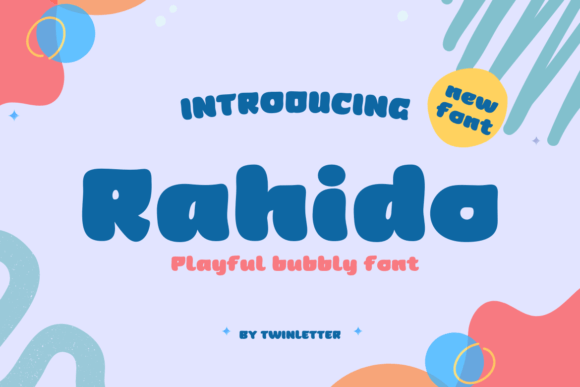
Rahido is a display font that blends a relaxed, friendly aesthetic with a touch of cuteness, making it ideal for creative projects that aim to stand out. Its unique character set and playful tone offer designers a fresh alternative to more rigid or traditional typefaces. Whether you're working on branding, social media content, or editorial layouts, Rahido can add a distinctive visual identity to your work.
What Makes Rahido Stand Out
Rahido distinguishes itself through its soft, rounded shapes and approachable style. Unlike many display fonts that lean toward boldness or complexity, Rahido maintains a gentle presence that feels inviting rather than overwhelming. This makes it particularly well-suited for projects targeting younger audiences or those aiming for a casual, approachable vibe.
The font’s design includes subtle variations in stroke weight and spacing, which contribute to its organic feel. These details make Rahido feel handcrafted rather than machine-generated, adding a layer of authenticity to any design. Its versatility allows it to work in both digital and print formats, ensuring consistent performance across different mediums.
Key Characteristics and Practical Value
Rahido’s most notable feature is its ability to convey warmth and friendliness without sacrificing readability. The letterforms are clear and legible, even at smaller sizes, which is essential for text that needs to be easily consumed by users. This balance between style and functionality makes Rahido a practical choice for a wide range of applications.
One of the strengths of Rahido is its flexibility. It can be used as a headline font to draw attention, or as a supporting element in body text when paired with a more neutral typeface. Its adaptability means it can fit into various design systems without requiring significant adjustments.
From a usability standpoint, Rahido is easy to integrate into existing workflows. Most design software supports custom fonts, and Rahido is no exception. Its availability in multiple file formats ensures compatibility with tools like Adobe Illustrator, Photoshop, and Figma, making it accessible to a broad range of professionals.
Real-World Performance and Effectiveness
In practice, Rahido performs well in scenarios where a friendly, approachable tone is desired. For example, in marketing campaigns targeting millennials or Gen Z, Rahido can help create a sense of relatability. It also works well in educational materials, where a softer font can make content feel less intimidating and more engaging.
When used in web design, Rahido can enhance user experience by providing a visually appealing yet readable interface. However, it's important to consider load times and browser compatibility when using custom fonts. Proper optimization ensures that Rahido enhances the design without compromising performance.
For print projects, Rahido holds up well in both high-resolution and low-quality outputs. Its clean lines and consistent proportions make it suitable for everything from business cards to large-format posters. The font’s reliability in different settings adds to its long-term value for designers who want a dependable typeface.
Who Benefits Most from Using Rahido
Rahido is particularly beneficial for creators and professionals looking to add a personal touch to their work. Entrepreneurs and small business owners may find it useful for branding efforts that aim to communicate trust and approachability. Marketers can use it to craft compelling headlines or social media graphics that resonate with target audiences.
Freelancers and graphic designers often seek fonts that offer both style and practicality. Rahido fits this need by providing a unique visual identity while remaining functional in various design contexts. Its ease of use makes it a valuable addition to any designer’s toolkit.
Bloggers and publishers may also appreciate Rahido for its ability to enhance visual storytelling. When used in headings or captions, it can add personality to content without distracting from the main message. Its suitability for both digital and print formats makes it a versatile choice for content creators.
Considerations and Limitations
While Rahido offers many advantages, it may not be the best choice for every project. In formal or professional settings, its playful nature could be seen as inappropriate. Designers should consider the context and audience before deciding to use Rahido.
Additionally, because of its unique character set, some users may find it challenging to pair with other fonts. Careful selection of complementary typefaces is necessary to maintain visual harmony. Testing different combinations can help ensure that Rahido enhances rather than detracts from the overall design.
Finally, while Rahido is effective in many scenarios, it’s important to remember that no single font will suit all needs. Designers should evaluate their specific requirements and choose a typeface that aligns with their goals and audience expectations.
Conclusion and Recommendations
Rahido is a font that offers a refreshing alternative to more conventional typefaces. Its relaxed and cute design makes it ideal for projects that require a friendly, approachable tone. Whether you’re working on branding, marketing, or editorial content, Rahido can add a unique visual element that sets your work apart.
For professionals looking to enhance their designs with a touch of personality, Rahido is worth exploring. Its combination of style, readability, and versatility makes it a valuable resource for creative projects. By understanding its strengths and limitations, designers can make informed decisions about when and how to use Rahido effectively.