Brush History: Bold, Expressive, and Unapologetic
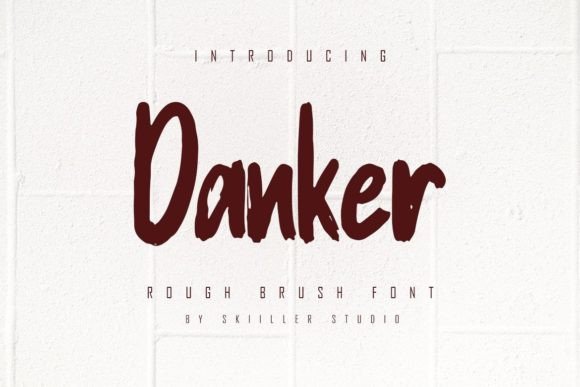
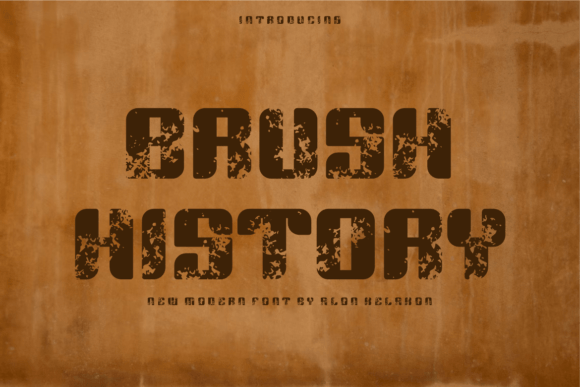
Brush History is a font that commands attention. With its thick, expressive strokes and loud, dry brush imperfections, it brings a raw energy to any design. This isn’t just a typeface—it’s a statement. Whether you’re creating a protest poster, a brand logo, or a headline that needs to stand out, Brush History offers a unique visual language that speaks directly to the reader.
Its personality is unmistakable. The irregularities in each stroke give it an authentic, handcrafted feel that digital fonts often lack. These imperfections aren’t flaws; they’re features that add character and depth. This makes Brush History ideal for projects that need to feel human, urgent, or emotionally resonant.
Why Brush History Matters in Modern Design
In a world where clean, minimalist designs dominate, there’s power in something that feels unpolished yet purposeful. Brush History thrives in this space. It’s not about being subtle—it’s about making an impression. For designers looking to break away from the norm, this font provides a refreshing alternative that can elevate both the aesthetic and emotional impact of their work.
Consider a social movement poster. The goal is to communicate a message quickly and strongly. Brush History’s boldness ensures that the message isn’t lost in the noise. Its readability is key here—despite its expressive nature, the font remains legible even at larger sizes, making it suitable for headlines, banners, and signage.
Practical Benefits of Using Brush History
One of the most compelling aspects of Brush History is its versatility. While it may seem like a niche choice, it works well across multiple platforms and formats. From print materials to digital displays, its dynamic strokes maintain clarity and impact. This makes it a valuable tool for professionals who need to deliver strong visual messages without compromising on style.
For entrepreneurs and small business owners, Brush History can be a powerful branding asset. A logo or tagline in this font can convey confidence and authenticity. It’s especially effective for brands that want to position themselves as bold, innovative, or socially conscious. Think of a coffee shop with a sign that reads “Brewed with Purpose” in Brush History—the font adds a layer of meaning that aligns with the brand’s values.
Brush History in Action: Real-World Applications
Graphic designers often face the challenge of balancing creativity with functionality. Brush History helps bridge that gap. For example, a designer working on a campaign for a music festival might use the font for the event’s main title. The loud, expressive nature of the font captures the energy of the event, while its readability ensures that the information is clear to attendees.
Similarly, educators and content creators can benefit from using Brush History in presentations or educational materials. A slide titled “The Power of Expression” in this font immediately draws the audience’s attention. It adds a visual element that reinforces the message, making the content more engaging and memorable.
Who Can Benefit Most from Brush History?
Brush History is particularly suited for those who value authenticity and emotional resonance in their work. Creators in the arts, activists, and communicators who want to make a strong impression will find it especially useful. Its expressive nature makes it ideal for projects that require a personal touch or a sense of urgency.
However, it’s important to consider the context. While Brush History excels in bold, attention-grabbing scenarios, it may not be the best choice for body text or formal documents. In such cases, a more traditional font would be more appropriate. That said, when used strategically, Brush History can add a unique flair that sets a project apart.
Combining Brush History with Other Design Elements
The effectiveness of Brush History often depends on how it’s paired with other design elements. For instance, combining it with a simple, neutral background can help it stand out without overwhelming the viewer. On the other hand, pairing it with a busy or colorful design may dilute its impact.
Designers should also consider typography hierarchy. Using Brush History for headlines and titles allows it to shine, while using it for body text could reduce readability. A good rule of thumb is to reserve it for key visual elements where its expressive qualities can have the most impact.
Limitations and Considerations
While Brush History is powerful, it’s not a one-size-fits-all solution. Its loud, expressive nature may not align with every brand or message. For example, a financial institution or a healthcare provider might prefer a more restrained, professional font to convey trust and reliability.
Additionally, users should be aware of licensing and availability. Not all platforms or software may support Brush History, so it’s wise to check compatibility before finalizing a design. Some designers may also find that the font requires additional tweaking to fit specific layouts or styles.
Final Thoughts on Brush History
Brush History is more than just a font—it’s a design philosophy. It challenges the notion that typography must be perfect and instead celebrates the beauty of imperfection. For those who value expression, authenticity, and impact, it offers a compelling alternative to conventional typefaces.
Whether you’re designing for a cause, a brand, or a creative project, Brush History can help you make a stronger visual statement. Its combination of boldness and readability makes it a versatile tool that can enhance a wide range of designs. As long as it’s used thoughtfully, it has the potential to leave a lasting impression.