Typex Iv: A Strategic Font for Purposeful Design
Typography is more than just visual appeal—it's a strategic tool that shapes how messages are received, understood, and remembered. Among the many fonts available, Typex Iv stands out as a unique and versatile choice. Its quirky yet refined character makes it suitable for a wide range of applications, from branding to editorial design. But its true value lies in how it can be used intentionally to support specific goals and outcomes.
Understanding when and how to use Typex Iv requires more than just aesthetic appreciation. It demands a thoughtful approach that aligns with broader objectives. Whether you're building a brand, crafting content, or designing a user experience, Typex Iv offers a distinctive voice that can enhance clarity, creativity, and impact.
What Makes Typex Iv Unique?
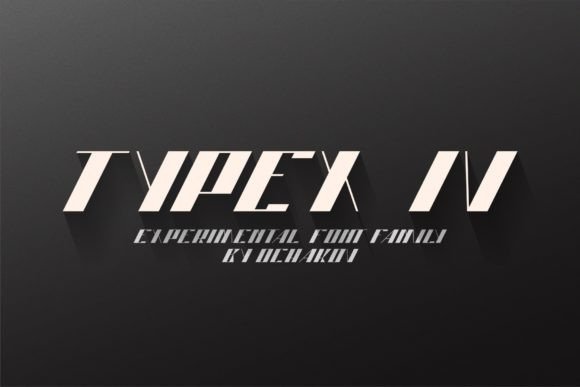
Typex Iv is not your average display font. It blends a sense of playfulness with a strong typographic structure, making it both attention-grabbing and readable. The font’s irregularities and subtle variations give it a humanized feel, which can be particularly effective in contexts where authenticity and personality are important.
Unlike many fonts that prioritize uniformity, Typex Iv embraces imperfections. This characteristic can be a double-edged sword. When used strategically, it adds character and memorability. However, when overused or applied without purpose, it can appear chaotic or unprofessional. The key is to understand the balance between uniqueness and usability.
Strategic Use of Typex Iv in Branding
For entrepreneurs, marketers, and brand builders, Typex Iv can serve as a powerful differentiator. In a saturated market, standing out is crucial. Using Typex Iv in logos, taglines, or promotional materials can help create a distinct identity that resonates with target audiences.
Consider a small business launching a new product line. By incorporating Typex Iv into their branding, they can convey a sense of creativity and innovation. However, it's important to ensure that the font complements the overall brand strategy. If the brand is more traditional or corporate, Typex Iv may not be the best fit. The decision should be based on alignment with the brand's core values and audience expectations.
Typex Iv in Content Creation and Communication
Writers, bloggers, and content creators often seek fonts that enhance readability while adding visual interest. Typex Iv can be an excellent choice for headings, titles, or section dividers in articles, newsletters, or social media posts. Its unique style can draw attention and make content more engaging.
However, it's essential to use Typex Iv sparingly. Overuse can lead to visual clutter and reduce the effectiveness of the message. For example, using Typex Iv in body text may compromise readability, especially for longer passages. Instead, reserve it for key elements where it can add emphasis and personality without overwhelming the reader.
Planning and Positioning with Typex Iv
When integrating Typex Iv into a design project, careful planning is necessary. Start by defining the purpose of the design. Is it for a website, a print ad, a social media campaign, or a packaging solution? Each context may require a different approach to font usage.
Consider the target audience as well. A younger, creative demographic may respond positively to Typex Iv, while a more conservative audience might prefer a cleaner, more traditional typeface. Understanding the preferences and expectations of the audience helps ensure that the font supports, rather than hinders, the communication goal.
Practical Applications and Examples
Let’s explore some real-world scenarios where Typex Iv can be effectively used:
- Brand Identity: A boutique coffee shop could use Typex Iv in its logo to reflect a whimsical and artisanal vibe. This helps establish a memorable brand presence in a competitive market.
- Editorial Design: A magazine focused on art and culture might incorporate Typex Iv in headlines to create a visually striking layout that captures the essence of the content.
- Marketing Campaigns: An advertising agency could use Typex Iv in a series of posters for a music festival, giving the campaign a bold and energetic look that appeals to young audiences.
- Product Packaging: A handmade soap brand could use Typex Iv on labels to emphasize craftsmanship and individuality, setting it apart from mass-produced competitors.
In each of these cases, Typex Iv serves a specific purpose and enhances the overall design without overshadowing the message.
Risks of Unintentional Use
While Typex Iv offers many benefits, it also carries risks if used without clear intent. One common mistake is applying it to every element of a design simply because it looks “fun.” This can lead to a disjointed and unprofessional appearance.
Another risk is misalignment with the brand or message. For instance, using Typex Iv in a financial services brochure may confuse readers and undermine the perception of trust and reliability. The font’s quirkiness may clash with the serious tone required for such content.
To avoid these pitfalls, always ask: Does this font support the goal? Does it resonate with the audience? Will it enhance or detract from the message? These questions help ensure that Typex Iv is used intentionally and effectively.
Long-Term Value and Decision-Making
When considering long-term design strategies, Typex Iv can be a valuable asset if integrated thoughtfully. It offers a way to differentiate a brand, engage an audience, and create a lasting impression. However, its success depends on consistent application and alignment with broader objectives.
Decision-makers should evaluate how Typex Iv fits into the overall design language and brand strategy. Is it part of a cohesive visual system? Does it complement other design elements? Answering these questions ensures that the font contributes to a unified and impactful design.
Conclusion: Intentional Typography for Better Results
Typex Iv is more than just a font—it's a tool that can influence how messages are perceived and received. Its unique characteristics make it ideal for creative, expressive, and strategic applications. However, its effectiveness hinges on intentional use that aligns with specific goals and contexts.
By understanding the strengths and limitations of Typex Iv, designers, marketers, and business owners can make better decisions about when and how to use it. Whether it's for branding, content creation, or user experience, the key is to apply it with purpose and precision. In doing so, Typex Iv can become a powerful ally in achieving better results.