Retro Crayon: A Font That Brings Joy to Your Designs
If you're looking for a font that adds a touch of nostalgia and charm to your projects, Retro Crayon might be just what you need. This font is more than just a visual choice—it's a way to bring warmth, personality, and a sense of playfulness to your work. Whether you're designing a logo, creating social media content, or working on a school project, Retro Crayon can make your designs stand out in a meaningful way.
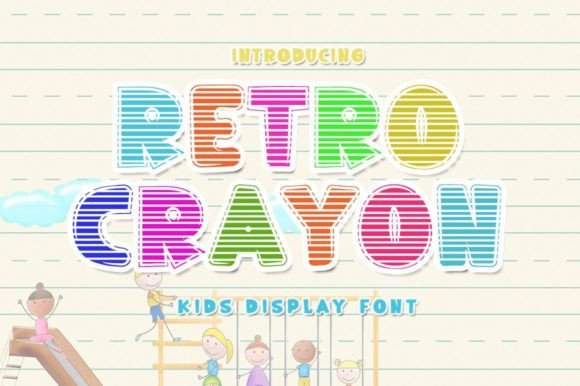
What makes Retro Crayon special is its balance of simplicity and character. It has a clean, modern structure that’s easy to read, but it also carries the soft, hand-drawn feel of a crayon. This unique combination gives it a friendly and approachable vibe that works well in both casual and professional settings. It’s the kind of font that feels right at home in a variety of situations, from branding to personal notes.
When and Where to Use Retro Crayon
One of the most practical aspects of Retro Crayon is its versatility. You can use it in many different contexts, depending on your goals. For example, if you're a small business owner looking to create a brand identity that feels warm and inviting, this font could be a great fit. It’s perfect for logos, packaging, or even website headers where you want to convey a sense of creativity and authenticity.
For educators or parents, Retro Crayon can be a useful tool when designing materials for children. Its playful style can make learning resources more engaging and less intimidating. Imagine using it for flashcards, classroom posters, or even a child’s birthday invitation. The font’s light-hearted nature helps create a positive and fun atmosphere.
Content creators and marketers often look for fonts that help their work stand out. Retro Crayon offers a unique aesthetic that can differentiate your content from others. If you’re designing a social media post, a blog header, or a promotional flyer, this font can add an extra layer of personality. It’s especially effective when paired with bright colors or whimsical illustrations.
Real-World Applications of Retro Crayon
Let’s take a closer look at some real-life scenarios where Retro Crayon shines. Suppose you're a freelance designer working on a client’s project. They want a logo that feels creative and approachable. By choosing Retro Crayon, you can deliver a design that reflects the client’s brand values while maintaining readability and professionalism. It’s a subtle way to show that the brand is both innovative and relatable.
Another example is a blogger who wants to create a consistent visual identity across their website. Using Retro Crayon for headings or section titles can give the site a cohesive and charming look. It helps build a connection with readers by making the content feel more personal and engaging.
Even in digital marketing, Retro Crayon can be a valuable asset. If you're running a campaign for a boutique or a local business, using this font in your ads or email newsletters can help you connect with your audience on a more emotional level. It conveys a sense of care and attention that can make your message more memorable.
Who Benefits From Using Retro Crayon?
The beauty of Retro Crayon is that it appeals to a wide range of users. Entrepreneurs, for instance, can use it to create a brand that feels authentic and trustworthy. It’s a great choice for businesses that want to stand out in a crowded market without sacrificing clarity or professionalism.
Students and teachers can also benefit from this font. When creating study guides, lesson plans, or classroom materials, Retro Crayon can make the content more visually appealing and easier to digest. It’s a simple way to make learning feel more enjoyable and less formal.
Hobbyists and DIY enthusiasts often appreciate fonts that allow them to express their individuality. Retro Crayon fits perfectly into this category. Whether you're making handmade cards, custom T-shirts, or decorative signs, this font can help you add a personal touch to your creations.
Things to Consider Before Using Retro Crayon
Before you jump into using Retro Crayon, it’s important to think about how it will fit into your overall design. While it’s a beautiful and versatile font, it may not be suitable for every situation. For example, if you're designing something that requires a high level of formality—like a legal document or a corporate report—you might want to choose a more traditional typeface.
Also, consider the context in which your audience will see the font. If you're targeting a younger demographic, Retro Crayon could be a great fit. But if your audience is more professional or serious, you may need to balance it with other fonts to maintain the right tone.
Another thing to keep in mind is legibility. While Retro Crayon is generally easy to read, it’s always a good idea to test it in different sizes and formats. Make sure it looks good on both screens and printed materials. This ensures that your message remains clear and effective no matter where it appears.
Conclusion: Retro Crayon for Every Creative Need
Retro Crayon isn’t just a font—it’s a tool that can enhance your creative work in meaningful ways. Whether you're designing for a business, a classroom, or a personal project, this font offers a fresh and elegant way to express your ideas. Its ability to blend charm with clarity makes it a valuable addition to any designer’s toolkit.
By understanding where and how to use Retro Crayon, you can unlock its full potential and create designs that resonate with your audience. It’s a reminder that sometimes the simplest choices can have the biggest impact.