Sakayume: A Japanese-Inspired Display Font for Elegant Design
Sakayume is a unique display font that blends traditional Japanese aesthetics with modern design sensibilities. Its elegant and flowing style makes it ideal for a variety of creative applications, from invitations to branding materials. For designers and creatives looking for a distinctive visual identity, Sakayume offers a compelling option that can elevate the look and feel of their work.
Understanding Sakayume
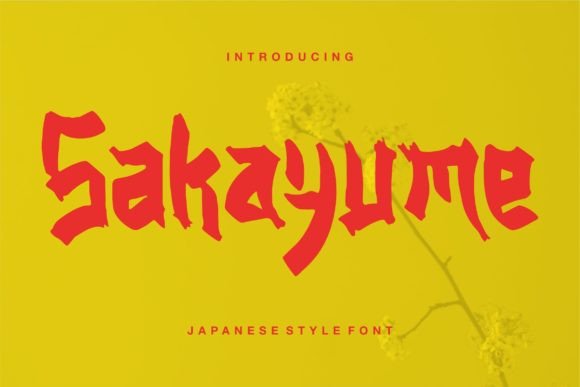
Sakayume is an original display font that draws inspiration from Japanese calligraphy and typography. The name itself, which translates to "dream" in Japanese, reflects the font's ethereal and graceful appearance. It features soft curves, delicate strokes, and a sense of movement that gives it a dynamic and artistic quality. This combination of elements makes it stand out in a crowded market of digital fonts.
The font is designed with a focus on readability while maintaining a high level of visual appeal. Its structure allows it to be used effectively in both large and small sizes, making it versatile for different design needs. Whether used in a headline or as part of a larger composition, Sakayume adds a touch of sophistication and cultural flair.
Why Someone Might Choose Sakayume
Designers and businesses looking to incorporate a Japanese aesthetic into their work may find Sakayume to be an attractive choice. Its style aligns well with themes such as tradition, artistry, and elegance, which are often associated with Japanese culture. This makes it particularly suitable for projects that aim to evoke a sense of authenticity or cultural connection.
In addition to its visual appeal, Sakayume is also valued for its versatility. It can be used across a wide range of mediums, including print and digital formats. This adaptability makes it a practical option for those who need a font that can be applied consistently across different platforms and materials.
Benefits and Considerations
One of the main benefits of using Sakayume is its ability to add a unique and memorable visual element to any design. Its distinct style can help differentiate a project from others, making it more eye-catching and engaging. This is especially valuable in competitive markets where standing out is essential.
However, there are some considerations to keep in mind when choosing Sakayume. While its aesthetic is appealing, it may not be the best choice for all types of content. For example, in situations where clarity and simplicity are prioritized, a more straightforward font might be more appropriate. Additionally, because of its decorative nature, it may require careful pairing with other fonts to ensure overall readability and balance.
Situations Where Sakayume Excels
Sakayume is particularly well-suited for projects that emphasize visual storytelling or cultural expression. Invitations, greeting cards, and posters that aim to convey a sense of artistry or tradition can benefit from its elegant appearance. It also works well in branding materials that seek to communicate a refined or artistic identity.
For businesses targeting audiences that appreciate Japanese culture, Sakayume can serve as a powerful visual symbol. It can be used in logos, packaging, and marketing materials to reinforce a brand’s connection to this aesthetic. In these contexts, the font can help create a cohesive and culturally resonant design language.
When Alternatives May Be More Appropriate
While Sakayume has many strengths, there are scenarios where alternative fonts may be more suitable. For instance, in professional or corporate settings where a clean and modern look is preferred, a sans-serif or serif font might be a better fit. These fonts often provide a more neutral and versatile base for a wide range of design applications.
Additionally, for projects that require high levels of legibility, such as long-form text or user interfaces, a more functional font could be more effective. Sakayume’s decorative elements may not be ideal in these cases, as they could interfere with readability and user experience.
Decision-Making Insights
When deciding whether to use Sakayume, it’s important to consider the specific goals and context of the project. Ask yourself: What message do I want to convey? What audience am I targeting? How does this font align with my overall design strategy?
Testing the font in different scenarios can also be helpful. Experimenting with how it looks in various sizes, colors, and backgrounds can provide insights into its effectiveness and limitations. This process can help ensure that the final design meets both aesthetic and functional requirements.
Ultimately, Sakayume is a strong option for those seeking a visually striking and culturally inspired font. However, its suitability depends on the specific needs and objectives of the project. By carefully evaluating these factors, designers can make informed decisions about whether Sakayume is the right choice for their work.