Trompies: A Unique Display Font for Creative Projects
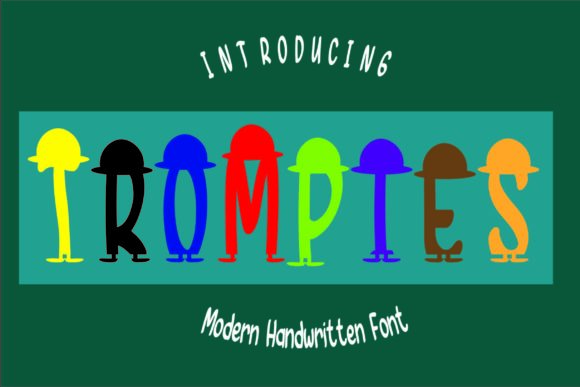
Trompies is a distinctive display font that offers a fresh and original approach to typography. Designed with creativity in mind, it combines playful elements with a structured layout, making it ideal for projects that require a unique visual identity. The font's design allows for both casual and formal applications, depending on the context in which it is used.
Understanding Trompies
Trompies is a PUA-encoded font, which means users have direct access to all of its glyphs and swashes without needing special software or keyboard layouts. This feature makes it particularly appealing to designers who want to experiment with different typographic styles. The font includes a variety of decorative elements, such as alternate characters, ligatures, and custom shapes, allowing for greater flexibility in design work.
As a display font, Trompies is not intended for body text but rather for headings, logos, and other visual elements that benefit from a strong typographic presence. Its unique character set gives it an edge over more traditional fonts, especially when the goal is to create something visually striking and memorable.
Why Someone Might Be Interested in Trompies
Designers and creatives looking for a font that stands out may find Trompies to be an attractive option. Its originality and versatility make it suitable for a range of applications, from branding to editorial design. The font's playful nature can add a sense of fun and energy to a project, while its structured elements ensure that it remains legible and professional when needed.
For those working on projects that require a personal touch, Trompies offers a way to express individuality through typography. Its availability of swashes and decorative elements allows for customization, making it a good choice for designers who want to create something truly unique.
Benefits of Using Trompies
- Unique Visual Identity: Trompies provides a distinct look that can help differentiate a project from others.
- PUA Encoding: Users can easily access all glyphs and swashes without additional tools.
- Flexibility: The font can be adapted to various design contexts, from casual to formal.
Tradeoffs and Considerations
While Trompies has many strengths, it may not be the best choice for every project. Its stylized appearance may not be appropriate for situations where a more neutral or traditional font is required. Additionally, because it is a display font, it is not optimized for long blocks of text and should be used sparingly.
Users should also consider the readability of the font in different sizes and formats. While it works well for headlines and logos, it may become difficult to read in smaller point sizes or when used in complex layouts.
Situations Where Trompies Is a Strong Fit
Trompies is well-suited for projects that require a bold and creative typographic statement. It can be an excellent choice for branding, packaging, and promotional materials where a distinctive visual style is desired. Its ability to convey personality and emotion makes it ideal for projects targeting younger audiences or those with a playful theme.
Additionally, Trompies can be useful in editorial design, such as magazine covers, book titles, and advertising campaigns. Its decorative elements allow for a more dynamic and engaging visual experience, which can help capture the attention of readers or viewers.
Situations Where Alternatives May Be Worth Considering
In cases where a more traditional or neutral font is preferred, alternatives to Trompies may be more appropriate. For example, if the goal is to maintain a clean and professional look, a sans-serif or serif font might be a better fit. Similarly, if the project requires a high level of readability across multiple platforms, a more standard font could be more practical.
Designers should also consider the target audience when choosing a font. If the audience is more conservative or the project requires a formal tone, a simpler font may be more effective. In these cases, the unique characteristics of Trompies could be seen as distracting rather than beneficial.
Practical Decision-Making Insights
When deciding whether to use Trompies, it is important to evaluate the specific needs of the project. Ask questions such as: Does the project require a strong visual identity? Will the font enhance or detract from the overall message? Is the font appropriate for the intended audience?
Testing the font in different contexts can also provide valuable insights. Experimenting with different sizes, colors, and layouts can help determine how well Trompies performs in real-world scenarios. This process can help ensure that the font aligns with the goals of the project and meets the expectations of the audience.
Finally, consider the availability of the font and its compatibility with different design tools. While PUA encoding offers convenience, it is important to confirm that the font works seamlessly with the software being used. This can prevent potential issues during the design process.