Xanthoma: A Bold, Retro Display Font for Modern Design
If you're looking for a font that commands attention while maintaining a timeless aesthetic, Xanthoma is a strong contender. This retro display font blends the clean lines of a sans serif with the visual punch of bold and thin weights, making it versatile enough for both vintage and contemporary projects. Its unique balance of strength and style has made it a favorite among designers, marketers, and brand strategists.
What Makes Xanthoma Stand Out?
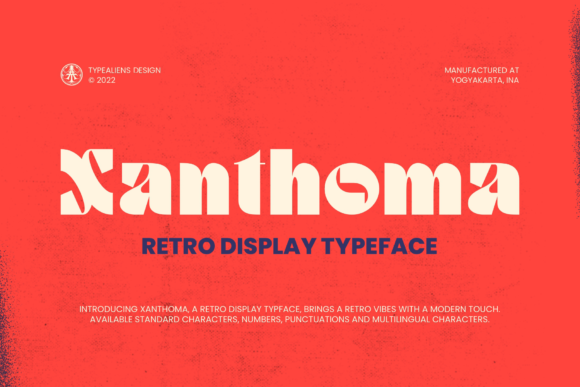
Xanthoma is a sans serif typeface with a retro flair. It features a bold body that gives it a powerful presence, while its thinner variations offer a more delicate contrast. This duality allows the font to adapt to different design needs without losing its identity. The character shapes are clean and modern, yet they carry a nostalgic charm that feels familiar to anyone who’s seen mid-century typography.
The personality of Xanthoma is confident and eye-catching. It works well when you want to make a statement—whether in a magazine headline, a product label, or a social media graphic. Its visual appeal lies in its ability to feel both fresh and classic, making it a go-to choice for designers who want to bridge the gap between old and new.
Where Xanthoma Shines in Design
Xanthoma excels in situations where boldness and clarity are essential. It's ideal for headlines, logos, and other design elements that need to grab attention quickly. In editorial design, it can be used for section titles or featured articles to create a strong visual hierarchy. For packaging design, its bold weight adds a sense of authority and quality, which can help products stand out on shelves.
In web design, Xanthoma can be used for hero sections, call-to-action buttons, or navigation menus. Its readability at larger sizes makes it perfect for digital interfaces where impact matters. When paired with a more neutral typeface, it can serve as a creative font that adds personality without overwhelming the overall layout.
For print projects, Xanthoma brings a retro vibe that can enhance the storytelling aspect of a design. Whether it's a poster, flyer, or brochure, the font’s distinct character helps create a memorable visual identity. It also works well in advertising campaigns, where its boldness can reinforce brand messaging and drive engagement.
How Xanthoma Influences Design and Branding
When used effectively, Xanthoma can shape how an audience perceives a brand. Its strong, structured form conveys professionalism and confidence, which are valuable traits in commercial and corporate settings. At the same time, its retro undertones add a layer of authenticity that can resonate with audiences looking for something unique or nostalgic.
Readability is a key consideration when using any display font, and Xanthoma is no exception. While it’s highly legible at larger sizes, it may not be suitable for long blocks of text. Designers should test it in different contexts to ensure it maintains clarity and doesn’t compromise the user experience.
Visual hierarchy is another area where Xanthoma can make a difference. By using its bold weight for primary headings and thinner variants for subheadings or captions, designers can create a clear structure that guides the viewer through the content. This approach helps maintain consistency across a project and reinforces the brand’s visual language.
Choosing the Right Font for Your Project
Before selecting Xanthoma, consider the purpose of your design and the message you want to convey. If your project requires a strong, memorable headline, Xanthoma is an excellent choice. However, if your goal is to create a subtle or elegant tone, you might want to pair it with a more subdued typeface.
Font pairing is an important step in the design process. Xanthoma pairs well with serif fonts for a balanced look or with other sans serifs for a modern, cohesive feel. Experimenting with different combinations can help you find the right visual harmony for your project.
When evaluating whether Xanthoma fits your needs, test it in various sizes and contexts. Check how it looks on screen and in print, and review the available styles to see which ones align with your design goals. Pay attention to details like spacing, weight, and character design to ensure the font meets your expectations.
Commercial licensing is another factor to consider. Make sure you have the proper rights to use Xanthoma in your projects, especially if you’re working on client work or public-facing designs. A premium font like Xanthoma often comes with specific usage terms that you should review carefully.
Real-World Applications of Xanthoma
One practical use of Xanthoma is in logo design. Its bold weight and retro style can give a brand a distinctive identity that stands out in a crowded market. For example, a boutique coffee shop might use Xanthoma in its logo to evoke a sense of nostalgia while still feeling modern and approachable.
In social media graphics, Xanthoma can be used to highlight key messages or calls to action. Its strong presence makes it ideal for Instagram posts, Facebook banners, or Twitter headers where visibility is crucial. Pairing it with a simple background can help it pop without distracting from the main content.
For editorial design, Xanthoma can be used in magazine layouts to create visually engaging headlines. Its versatility allows it to work in both print and digital formats, making it a valuable addition to any designer’s toolkit. When used in combination with a clean, readable body font, it can elevate the overall look of a publication.